Roofing vs Waterproofing: Understanding the Complete Building Envelope
 When evaluating the long-term performance of a building, it is critical to understand how roofing and waterproofing work together as part of the complete building envelope. While these systems are often discussed separately, they are deeply interconnected. For property owners, developers, and facility managers across Boulder County and the Denver Metro Area, understanding this relationship is essential to protecting assets, reducing lifecycle costs, and preventing moisture-related failures.
What Is the Building Envelope?
The building envelope is the physical barrier between the interior and exterior environments. It includes the roof, exterior walls, waterproofing systems, air barriers, insulation, and below-grade assemblies. Its primary function is to control water, air, vapor, and thermal transfer while maintaining structural integrity and occupant comfort.
Failures in any one component can compromise the entire system.
Roofing: The First Line of Defense
Roofing systems are designed to protect buildings from direct exposure to the elements, including precipitation, UV radiation, wind, and temperature extremes.
Key Functions of Roofing Systems
- Water shedding and drainage management
- UV and weather resistance
- Thermal performance when paired with insulation
- Structural protection for occupied spaces
Modern roofing systems may include low-slope membranes, metal roofing, steep-slope assemblies, or green roof systems. However, even the most advanced roof can fail prematurely if it is not properly integrated with adjacent waterproofing components.
Waterproofing: Protecting Vulnerable Transitions
Waterproofing systems focus on areas that roofing alone cannot protect. These are often the most failure-prone locations within a building.
Common Waterproofing Applications
- Below-grade foundation walls
- Plaza decks, balconies, and patios
- Expansion joints
- Horizontal and vertical wall assemblies
- Air barriers and dampproofing systems
Unlike roofing, waterproofing systems often operate under hydrostatic pressure or in concealed conditions, making expert design and installation critical. Poorly executed waterproofing can lead to mold growth, structural deterioration, interior damage, and costly repairs.
Why Roofing and Waterproofing Must Work Together
High-performing buildings rely on continuous water and air management strategies. Roofing and waterproofing systems must be properly detailed where they intersect, including roof-to-wall transitions, penetrations, parapets, and foundation tie-ins.
Common causes of envelope failure include:
- Incompatible materials between systems
- Improper sequencing or detailing during construction
- Lack of coordination between roofing and waterproofing trades
- Deferred maintenance or incomplete repairs
A unified approach reduces risk and improves long-term performance.
The Black Roofing & Waterproofing Advantage
Black Roofing & Waterproofing has operated out of Boulder, Colorado since 1975 and brings more than five decades of experience delivering integrated roofing and waterproofing solutions across Colorado’s Front Range and mountain communities. Our team specializes in complex, high-performance projects that demand a holistic understanding of the building envelope.
Proven Experience on Complex Projects
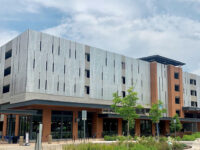
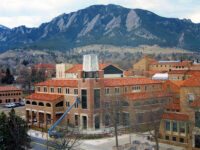
Black Roofing & Waterproofing has completed some of the most technically demanding projects in the region, including museums, university buildings, healthcare facilities, and municipal structures. These projects require precise coordination between roofing, waterproofing, architectural metals, and structural elements.
Key strengths include:
- Deep expertise in commercial and residential roofing systems
- Full-spectrum waterproofing services, including below-grade and horizontal applications
- Architectural sheet metal integration for durability and aesthetics
- Experienced project management and in-house crews
- A long-standing reputation for quality, safety, and reliability
Why This Matters in Colorado
Colorado’s climate presents unique challenges, from heavy snow loads and freeze-thaw cycles to intense sun exposure and wind-driven rain. Buildings in Vail, Beaver Creek, and Silverthorne face very different conditions than those in Denver or Castle Rock, yet all require carefully designed envelope systems.
A contractor who understands both roofing and waterproofing is better equipped to adapt solutions to local conditions and prevent long-term damage.