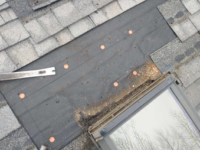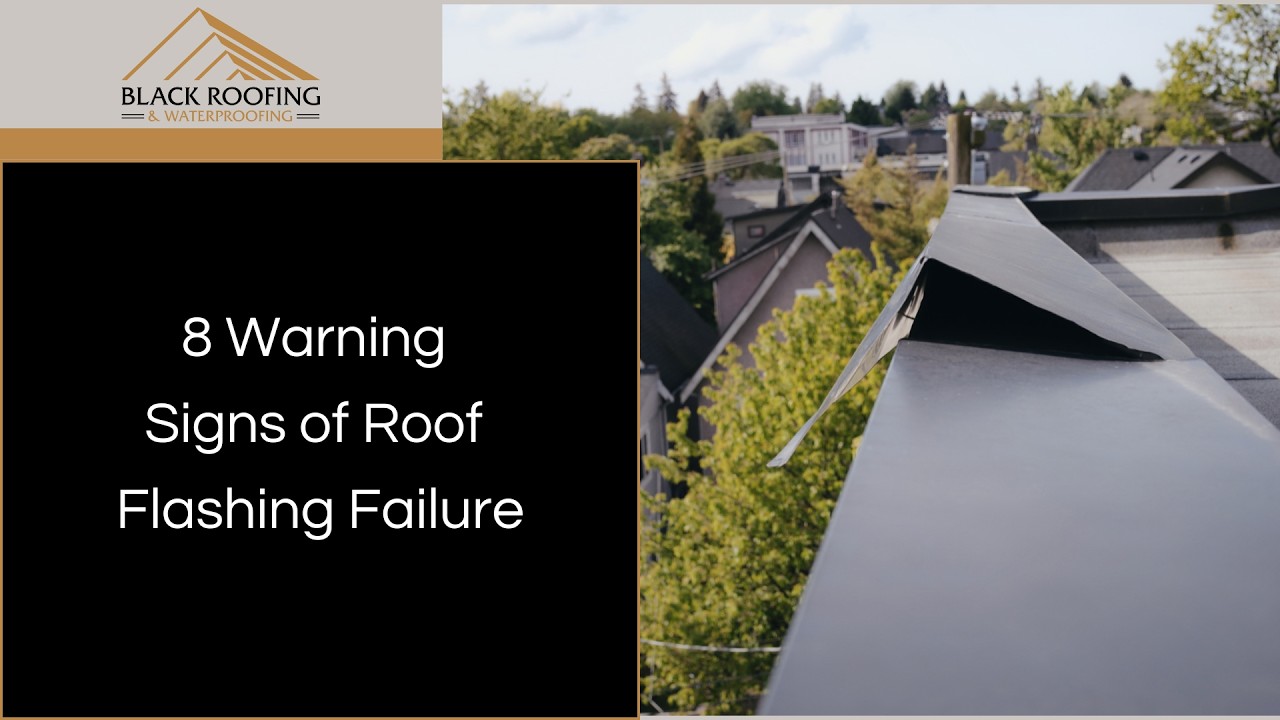
 protects vulnerable areas of your roof by directing water away from seams, joints, and penetrations like chimneys, skylights, and vents. When flashing begins to deteriorate or pull away, it can allow water to enter your roof system and lead to leaks, structural damage, and mold over time.
Signs Your Roof Flashing Might Be Failing
Catching flashing problems early can prevent expensive structural repairs. Here are 8 warning signs your roof flashing may be failing.
1. Visible Rust or Corrosion
Most flashing is made from galvanized steel, aluminum, or copper. Over time, moisture exposure and Colorado’s freeze-thaw cycles can cause oxidation and corrosion. Rusted flashing loses its protective coating and eventually allows water to penetrate the roof system.
2. Cracked or Dried Sealant
Many flashing systems rely on roofing sealant to create a watertight barrier. Sun exposure and temperature changes can cause these sealants to dry out, crack, or separate. Once this happens, water can seep underneath flashing and into your roof structure.
3. Water Stains or Interior Discoloration
Brown stains on ceilings or walls are one of the most common indicators of flashing failure. When flashing around chimneys, skylights, or roof penetrations fails, water can slowly leak into the attic and interior drywall.
4. Gaps or Loose Flashing
Flashing should sit tightly against the roof surface. Strong winds, improper installation, or aging materials can cause flashing to lift or pull away from the roofline. Even small gaps can allow rain or melting snow to enter your roofing system.
5. Mold or Mildew Growth
Excess moisture around flashing areas can create the perfect environment for mold or mildew. If you notice mold in the attic or near roof penetrations, compromised flashing may be allowing water to accumulate.
6. Warped or Damaged Roof Decking
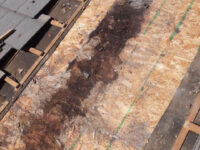
When water consistently enters through failed flashing, it can reach the roof deck beneath the shingles. Over time, this moisture causes wood decking to warp, soften, or rot, which can weaken the structural integrity of the roof.
7. Persistent Roof Leaks
Persistent roof leaks are often caused by damaged roof flashing, especially around chimneys, skylights, and vent pipes where water naturally concentrates.
8. Granule Loss From Shingles Near Flashing Areas
If shingles surrounding flashing show excessive granule loss or premature deterioration, it may indicate water is not draining properly around those areas. Improperly installed or failing flashing can disrupt water flow and accelerate shingle wear.
Why Roof Flashing Fails in Colorado
Roof flashing in Colorado faces unique environmental stress. Sudden temperature swings, snow accumulation, ice dams, hailstorms, and intense sun exposure all contribute to material fatigue. Over time, these conditions can weaken flashing connections and sealants, increasing the risk of leaks.
Regular inspections and preventative maintenance are especially important for homes along the Front Range where weather conditions can change rapidly.
Professional Roof Flashing Repair vs Replacement
In some cases, minor flashing issues can be repaired with resealing or localized repairs. However, if flashing is severely corroded, improperly installed, or structurally compromised, replacement may be necessary to fully protect the roof system.
Professional roofers can evaluate whether the flashing around chimneys, skylights, step flashing along walls, or valley flashing needs repair or replacement.
Black Roofing & Waterproofing: Trusted Repairs and Maintenance
Black Roofing & Waterproofing offers emergency repair services 24/7 to address roof flashing issues safely and efficiently. Whether dealing with rusted flashing or severe leaks, our experienced professionals utilize advanced techniques to restore your roof’s functionality.
If you suspect roof flashing failure, the team at Black Roofing & Waterproofing can assess the issue and recommend the best solution. We offer free estimates to help homeowners and business owners understand their options and protect their property before small problems turn into costly repairs.
FAQs
What causes roof flashing to fail over time?
Poor installation, extreme weather exposure, aging materials, and lack of routine roof maintenance are the most common causes of flashing failure.
Can I repair flashing myself?
While small resealing repairs may be possible for experienced homeowners, most flashing issues require professional repair to ensure a watertight installation and prevent further damage.
How often should roof flashing be inspected?
Roofing professionals recommend inspecting flashing at least once per year and after major storms such as hail events or heavy snowfall.
What areas of a roof commonly experience flashing problems?
Flashing issues most often occur around chimneys, skylights, roof valleys, dormers, vent pipes, and where roof surfaces meet vertical walls.
How does your emergency repair service work?
Black Roofing & Waterproofing offers 24/7 emergency repair services as long as the property is accessible and weather conditions are safe.