 Colorado’s climate is tough on roofs. Between heavy snow, hailstorms, intense sun, and frequent freeze-thaw cycles, not every roofing material can handle the conditions long-term. With more than 50 years of experience serving Boulder County and the Denver Metro Area, Black Roofing & Waterproofing knows which materials perform best in Colorado weather.
Here are seven roofing materials that consistently stand up to the elements.
Best Roofing Materials for Colorado Homes
1. Asphalt Shingles
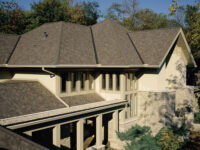
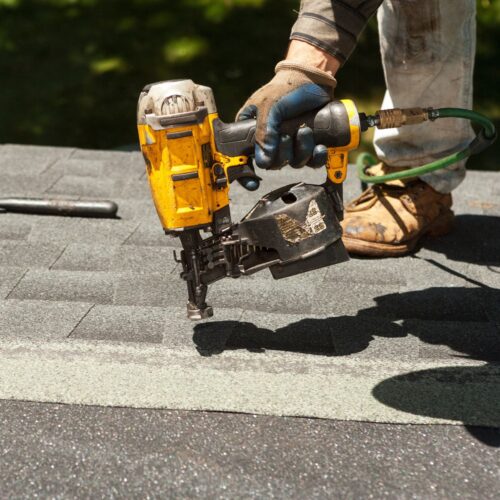
Asphalt shingles remain one of the most popular roofing materials in Colorado because they are affordable, durable, and versatile. Modern architectural shingles are designed to withstand strong winds, temperature swings, and prolonged UV exposure.
Many Colorado homeowners choose Class 4 impact-resistant asphalt shingles, which are specifically engineered to handle hailstorms. These shingles can also qualify homeowners for insurance discounts in some cases. With proper installation and maintenance, asphalt roofs typically last 20–30 years in Colorado.
2. Metal Roofing
Metal roofing is one of the most durable roofing options for Colorado homes. Its smooth surface allows snow to shed easily, reducing the risk of heavy snow buildup and ice dams during winter.
Metal roofs are also highly resistant to fire, hail, and wind. With proper installation, they can last 40–70 years and require minimal maintenance. Because of their longevity and weather resistance, metal roofs are increasingly popular throughout Boulder County and mountain communities.
3. Tile Roofing
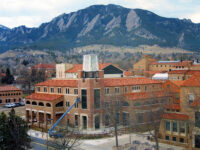
Clay and concrete tile roofs are known for their longevity and ability to withstand extreme weather conditions. These materials handle freeze-thaw cycles well and are resistant to fire and UV damage.
Tile roofing can last 50 years or longer, making it one of the longest-lasting roofing systems available. However, tile is heavier than other materials, so the structure of the home must be able to support the additional weight.
4. EPDM Roofing
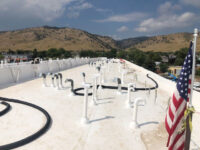
EPDM (ethylene propylene diene monomer) is a durable rubber roofing membrane commonly used on flat or low-slope roofs. It performs exceptionally well in Colorado because it can expand and contract during temperature fluctuations without cracking.
This material is especially popular for commercial buildings and modern residential homes with flat roof sections. EPDM is also highly resistant to UV exposure and can last 25–30 years with proper maintenance.
5. Cedar Shake Roofing
Cedar shake roofs are valued for their natural beauty and rustic appearance, making them popular in mountain communities and high-end residential neighborhoods. Cedar provides natural insulation and performs well in cold climates.
However, cedar requires routine maintenance and proper treatment to resist moisture, insects, and fire. In areas with frequent hailstorms, cedar may require more repairs than other roofing materials.
6. Green Roofing Systems
Green roofs incorporate layers of vegetation and soil over waterproof membranes. While more common in commercial or urban settings, some eco-conscious homeowners choose green roofing systems to improve insulation and reduce stormwater runoff.
Green roofs can contribute to energy efficiency and environmental sustainability, but they require specialized structural support and professional installation to handle snow loads and drainage in Colorado’s climate.
7. Synthetic Slate
Synthetic slate is a lightweight alternative to natural slate roofing. It replicates the appearance of traditional slate while offering improved durability and impact resistance.
Because synthetic slate is engineered to resist cracking, UV exposure, and severe weather, it performs well in Colorado’s climate. It also weighs significantly less than natural slate, reducing structural requirements while maintaining a high-end aesthetic.
Why Choose Black Roofing & Waterproofing?
Black Roofing & Waterproofing has been a trusted name in Boulder County and the Denver Metro Area for over five decades. We specialize in both commercial and residential roofing, offering expert guidance to help you select the best roofing materials for your needs. Our team is skilled in the installation of all the roofing materials mentioned above, ensuring craftsmanship that’s second to none.
If you’re unsure which roofing material is right for your home or business, we’re here to help.
FAQs
What roofing material lasts the longest in Colorado weather?
Metal roofing and tile roofing are two of the longest-lasting options for Colorado homes. Both materials can last 50 years or more when properly installed and maintained, while also resisting hail, snow, UV exposure, and extreme temperature changes.
Is asphalt roofing a good choice for Colorado’s climate?
Yes. Asphalt shingles are one of the most common roofing materials used in Colorado. Impact-resistant architectural shingles can perform especially well against hailstorms, strong winds, and temperature fluctuations.
How do I protect my roof during a hailstorm in Colorado?
Choosing impact-resistant roofing materials such as metal roofing or Class 4 asphalt shingles can significantly reduce hail damage. Regular roof inspections after major storms can also help catch small problems before they become costly repairs.
What is the most eco-friendly roofing material?
Green roofing systems and some synthetic roofing materials offer environmentally friendly options. These systems can improve insulation, reduce stormwater runoff, and contribute to overall building energy efficiency.
How often should I inspect my roof in Colorado?
Most roofing professionals recommend inspecting your roof at least twice per year in Colorado. A spring inspection after winter snow and a fall inspection before severe storms can help identify damage early.