 Asphalt shingle roofing is one of the most common roofing systems for homes and commercial buildings throughout Boulder County and the Denver Metro Area. Known for its affordability, design flexibility, and reliable performance, it remains a popular choice for property owners across Colorado’s Front Range.
Like any roofing material, asphalt shingles come with both advantages and drawbacks.
Here are six pros and cons to help you decide if they’re the right choice for your roof.
What Are Asphalt Shingles?
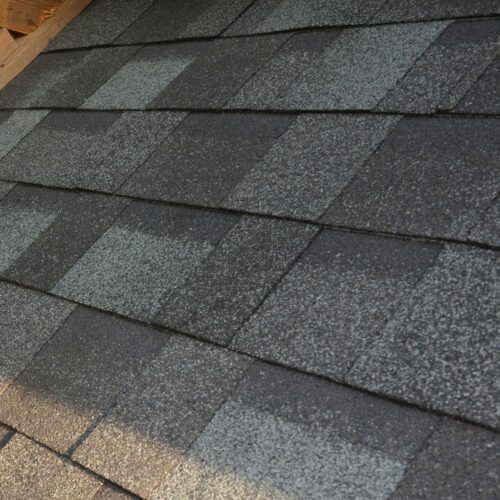
Asphalt shingles are a roofing material made from a fiberglass or organic base mat coated with asphalt and mineral granules. They are installed in overlapping rows to create a protective barrier that shields buildings from weather, moisture, and UV exposure.
Because they are lightweight, relatively affordable, and widely available, asphalt shingles are the most commonly installed roofing material in the United States, particularly for residential roofing systems.
In Colorado communities, asphalt shingles are often selected for their ability to handle changing weather conditions including intense sun, snow accumulation, and seasonal hail storms.
Pros of Asphalt Shingle Roofing
1. Cost-Effective Solution
One of the biggest advantages of asphalt shingles is affordability. Compared to materials such as metal, slate, or tile, asphalt shingles typically have lower installation and material costs. This makes them an attractive option for homeowners and property managers in Boulder looking for reliable protection without the higher upfront investment of premium roofing systems.
2. Wide Variety of Styles and Colors
Asphalt shingles come in a wide range of colors, textures, and architectural styles. From traditional three-tab shingles to dimensional and architectural shingles, property owners can choose options that complement both modern and classic home designs.
This flexibility makes asphalt shingles a popular choice for neighborhoods throughout Boulder County where aesthetic consistency is important.
3. Ease of Installation
Because asphalt shingles are lightweight and easy to work with, they can be installed more efficiently than heavier roofing materials. Faster installation often means reduced labor costs and less disruption for homeowners during roof replacement projects.
4. Durability in Colorado’s Climate
When installed correctly, asphalt shingles can perform well in Colorado’s unpredictable climate, including heavy snow, high winds, and strong UV exposure. Many modern shingles are manufactured with impact resistance and weather-resistant coatings designed to help them withstand Front Range conditions.
Choosing high-quality shingles can further improve performance in areas like Boulder that frequently experience hail and rapid temperature changes.
5. Energy Efficiency Options
Some asphalt shingles are manufactured with reflective granules that reduce heat absorption. These “cool roof” shingles can help improve energy efficiency by keeping attic temperatures lower during warm Colorado summers, potentially reducing cooling costs.
6. Repair Versatility
Another advantage of asphalt shingles is that repairs are generally straightforward. If individual shingles become damaged due to storms or debris, they can often be replaced without requiring a full roof replacement. This helps reduce long-term maintenance costs compared to more complex roofing systems.
Cons of Asphalt Shingle Roofing
1. Shorter Lifespan Compared to Premium Materials
While asphalt shingles are durable, they typically last 20 to 30 years, depending on quality and maintenance. Materials such as metal, slate, and clay tile can last significantly longer, sometimes exceeding 50 years.
2. Not Ideal for Flat Roofs
Asphalt shingles are designed for sloped roofing systems. Flat or low-slope roofs require specialized materials such as membrane roofing or modified bitumen systems to properly manage water drainage.
3. Vulnerability to Extreme Weather Over Time
Colorado’s freeze-thaw cycles, strong winds, and occasional hailstorms can gradually wear down asphalt shingles. Over time, this exposure may lead to granule loss, cracking, or curling if the roof is not properly maintained.
4. Environmental Concerns
Although recycling options are improving, asphalt shingles are still less environmentally friendly than some alternative materials. Many shingles eventually end up in landfills, which can be a concern for environmentally conscious homeowners.
5. Requires Routine Maintenance
Like any roofing system, asphalt shingles benefit from regular inspections and maintenance. After major storms in Boulder, checking for loose or damaged shingles can help prevent small issues from developing into larger structural problems.
6. Limited Customization After Installation
Unlike materials such as metal roofing that can be repainted or recoated, asphalt shingles offer limited customization once installed. If homeowners want to change the look of their roof later on, replacement is usually required.
Why Choose Black Roofing & Waterproofing?
With more than 50 years of experience, Black Roofing & Waterproofing has built a reputation for reliable workmanship and high-quality roofing systems. Our team understands the challenges Colorado’s climate can place on roofs and focuses on installing asphalt shingle systems designed to perform for years to come.
Frequently Asked Questions
What is the average lifespan of asphalt shingle roofing?
Most asphalt shingle roofs last 20 to 30 years with proper installation and routine maintenance. Higher-quality architectural shingles may extend this lifespan.
How do I maintain an asphalt shingle roof?
Routine inspections are essential. Clear debris from gutters, check for missing or damaged shingles after storms, and schedule a professional roof inspection annually.
Can asphalt shingles handle Colorado’s extreme weather?
Yes. Many modern asphalt shingles are designed to withstand snow, hail, wind, and intense UV exposure common in Colorado’s Front Range climate.
Are asphalt shingles recyclable?
Some asphalt shingles can be recycled and repurposed into materials such as pavement, though recycling availability varies by location.
How much does installing asphalt shingle roofing cost?
The cost of installation depends on the size and slope of the roof, the type of shingles used, and labor requirements. Contact Black Roofing & Waterproofing for a personalized estimate.